
Kachingo: The New Casino That’s Betting on Itself (And Why That Matters)
Ağustos 25, 2026How to Trade Cryptocurrencies
Ağustos 25, 2026Why Buying Ammunition by the Case Saves You More Than Money
Buy Bulk Ammo Online for Maximum Savings and Reliable Long-Term Shooting
A shooter burns through a hundred rounds in a single range session, and bulk ammo is the only practical answer to keep that pace without reloading every other box. It works by packaging hundreds or thousands of identical cartridges—same grain, same type—so you grab one case and feed your rifle or pistol without interruption. The real benefit is raw efficiency: you strip away per-box markup and per-trip costs, turning every trigger pull into a fraction of what a retail brick would charge. Load .35 Remington Ammo for Sale your mags straight from the bulk container, and you’ll spend less time buying and more time breaking targets.
Why Buying Ammunition by the Case Saves You More Than Money
When you buy bulk ammo by the case, the savings transaction begins the moment the cardboard flaps close. That locked-in price per round stops the clock on the creeping inflation that hits every local gun shop visit, letting you bank the difference for future practice rather than watching it evaporate. But the real wealth is time—you stop rationing your range days 6.5×55 Swedish Ammo for Sale to stretch a box of twenty, because a case means you shoot freely, building muscle memory without the guilt of “wasting” valuable cartridges. That abundance also fuels dry-fire drills with snap caps, knowing your live supply is secure for the next match or the next class. Buying in bulk buys you consistency, because a single lot number keeps your zero and your ballistics identical from mag to mag. It also buys peace of mind, transforming shooting from a scarcity-driven chore into a confident ritual. The true dividend is that you become a better shot, simply because you no longer hesitate to pull the trigger.

How Per-Round Costs Drop When You Purchase in Volume
The price-per-round curve is not linear; it steps down sharply once you move past box quantities. Retail pricing bundles overhead like packaging, shelf stocking, and per-transaction handling into each 6.8 SPC Ammo for Sale box, so buying twenty boxes means paying that overhead twenty times. A case, however, spreads those fixed costs across a single pallet move and one bulk container, and manufacturers pass that logistics saving to you as a lower unit price. Additionally, volume purchases trigger tiered wholesale brackets that box buyers never see, dropping the marginal cost of each cartridge by several cents. This is precisely why per-round costs drop with bulk ammo—you are effectively paying for the ammunition’s material and labor, not the store’s repeated handling of it.
The Hidden Financial Benefit of Fewer Retail Trips
Fewer retail trips for ammunition create a compounding financial buffer that most shooters overlook. Each visit to a store consumes fuel, vehicle wear, and often triggers impulse purchases—boxes of premium defensive loads or cleaning solvents you didn’t plan to buy. When you buy by the case, you collapse those separate transactions into one, eliminating the per-trip overhead that silently inflates your annual ammunition cost. Over a year of monthly purchases, this hidden drain can equal the price of an entire extra box of match-grade Ammunition for Sale rounds. The hidden financial benefit of fewer retail trips is realized in preserved budgeting discipline and reduced logistical friction.
Q: What is the hidden financial benefit of fewer retail trips?
A: It removes the recurring costs of transportation and unplanned in-store spending, letting your per-round price stay the true final price.
What to Check Before You Commit to a Large Caliber Order
Before committing to a bulk ammo purchase, verify the lot number consistency for large caliber orders—mixed lots mean varying pressure and accuracy. Confirm the bullet grain weight matches your firearm’s intended use, as heavier grains affect trajectory and recoil. Inspect the casing material (brass vs. steel) since large caliber bulk ammo with steel cases may accelerate barrel wear. Check the sealant and primer crimp on each round; a loose primer risks misfires in high-volume sessions. Finally, calculate your storage capacity—bulk ammo in https://specialtysportsandsupplyltd.com/ large calibers is dense and heavy, so ensure your safe or locker handles the total weight without exceeding shelf load limits. These checks protect your investment and performance before you buy.
Headstamp Consistency and Why It Matters for Your Firearm
When ordering bulk ammo, headstamp consistency directly impacts chamber pressure and extraction reliability. Mixed headstamps mean varying case wall thickness, primer pocket depth, and metallurgical hardness, which can alter ballistic uniformity across your lot. In a large caliber order, inconsistent headstamps may cause occasional stiff bolt lift or flattened primers, signaling pressure spikes. Matching headstamps in bulk ammo ensures predictable case expansion and resizing behavior if you reload. For semi-automatic firearms, extractor tension tuned for one case rim spec can fail on another, causing malfunctions. Inspect a sample box before committing; if stamps vary, expect point-of-impact shifts and accelerated wear on your extractor and chamber. Consistency is not cosmetic—it is mechanical repeatability under stress.
Lot Numbers: How to Verify You’re Getting the Same Batch

When ordering bulk ammo, confirm the same batch lot number on every box before payment, as manufacturers can change components between production runs. Ask the retailer to physically check the side of each case or box label for an identical alphanumeric code, since pallets often mix lots. If the seller cannot guarantee uniform lot numbers, request that they separate your order from mixed stock. Once received, spot-check five random boxes to ensure the lot matches your invoice, and reject the shipment if any differ, as mixed lots can alter point of impact and velocity. For true consistency, insist on lot verification before the order ships.
- Ask for lot numbers in writing before you pay.
- Request photos of the lot stamps on actual boxes, not just the product page.
- Verify all boxes carry the same code upon delivery, not just the top layer.
Matching the Right Cartridge Type to Your Shooting Purpose
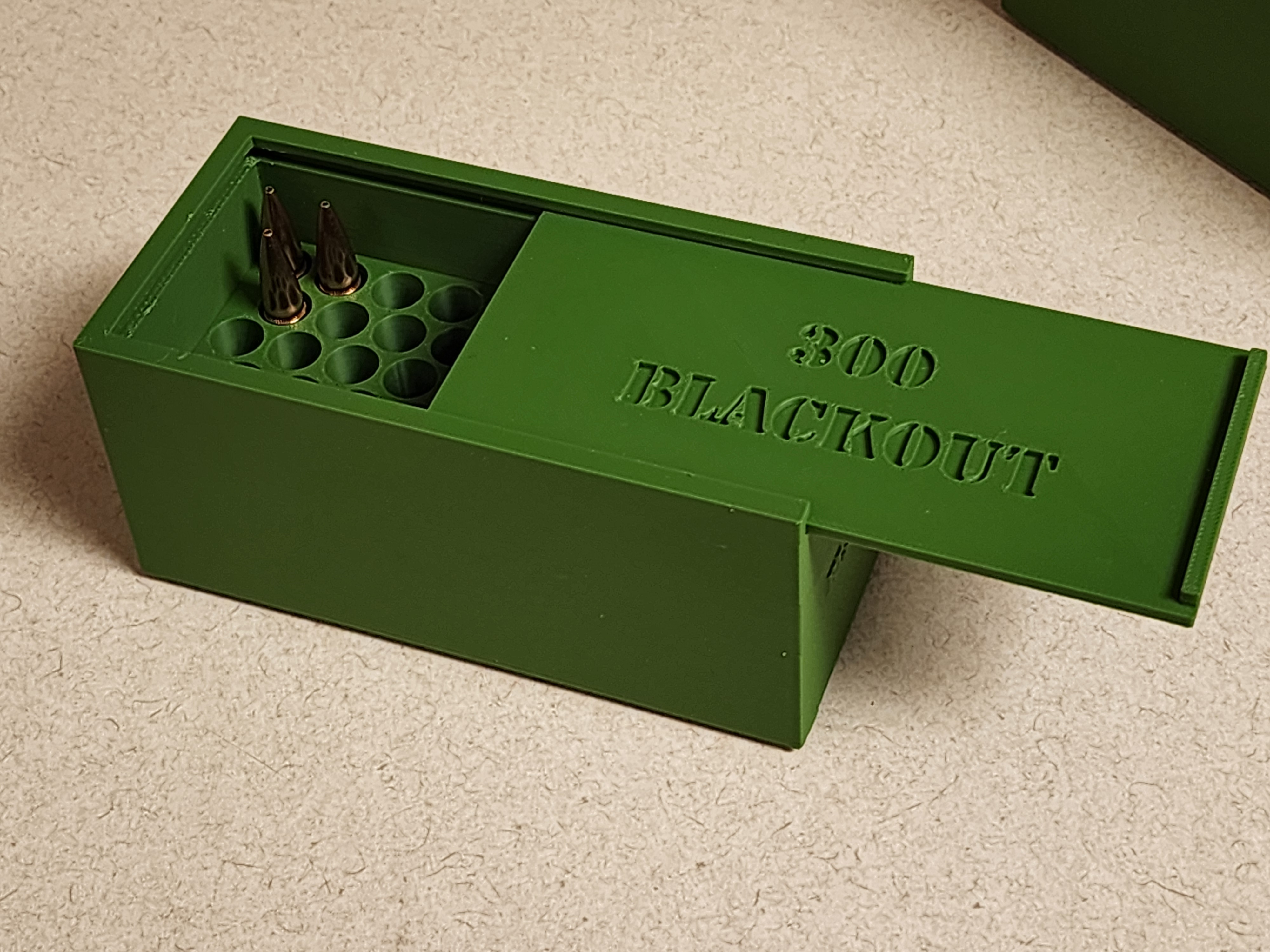
Matching the right cartridge type to your shooting purpose is the single most important decision when buying bulk ammo, because a volume purchase locks you into one .32 ACP Ammo for Sale platform for thousands of rounds. For high-volume range practice, choose bulk 9mm or .223 Remington—their low recoil and affordable cost per round let you build muscle memory without flinching. If your purpose is precision target work at long distance, bulk 6.5 Creedmoor or .308 Win delivers consistent ballistics, though you’ll pay more per box; that trade-off is worth it when every shot must count. For defensive or hunting loads, never buy bulk hollow points—you need reliable expansion and low muzzle flash, not sheer quantity, so reserve bulk FMJs for training and keep a smaller stash of premium cartridges for real-world use. *The nuance is that bulk ammo’s savings only matter if the cartridge’s trajectory and recoil match your specific discipline, otherwise you’re just stockpiling bad habits.* Stick to one caliber for each gun, verify its grain weight matches your barrel twist, and your bulk purchase becomes an extension of your shooting intent—not a random box of wasted brass.
Full Metal Jacket vs. Hollow Points for Range Days
For range days, full metal jacket vs. hollow points for range days hinges on cost and target behavior. FMJ rounds, with their copper-clad lead core, are the bulk ammo staple because they feed reliably and cause minimal target damage—ideal for high-volume drills on steel or paper. Hollow points, designed for expansion, will chew up backstops and cost significantly more per round, offering no accuracy advantage at typical pistol distances. *Their terminal performance is wasted on inert targets, making FMJ the logical choice unless you specifically train for defensive recoil impulse and feed reliability with your carry load.* Choose FMJ for practice volume; reserve hollow points for function-testing a magazine or two.
Q: Is it worth shooting any hollow points during a range day?
A: Yes, only to verify zero and feeding reliability with your defensive load—roughly 20–50 rounds—then switch back to FMJ for all remaining practice.
Selecting Grain Weight for Recoil Sensitivity and Accuracy
When buying bulk ammo, grain weight directly shapes both felt recoil and practical accuracy. Lighter projectiles, such as a 55-grain load in .223 Remington, produce snappier but less punishing recoil, allowing faster follow-up shots for shooters sensitive to muzzle rise. Heavier grains, like 77-grain match rounds, generate a slower, deeper push that can induce flinch in new shooters, yet they often stabilize better in 1:7 twist barrels, shrinking group sizes at distance. For recoil-sensitive users, select the lightest grain that still cycles your firearm reliably—typically the standard 55-grain or 115-grain 9mm loads—since recoil-conscious grain selection preserves shot-to-shot consistency without sacrificing terminal performance at typical bulk ammo ranges under 100 yards. Accuracy improves when grain weight matches your barrel’s twist rate, so test a 62-grain intermediate option if 55-grain patterns widen.
How to Store a Massive Ammunition Stockpile Without Damage
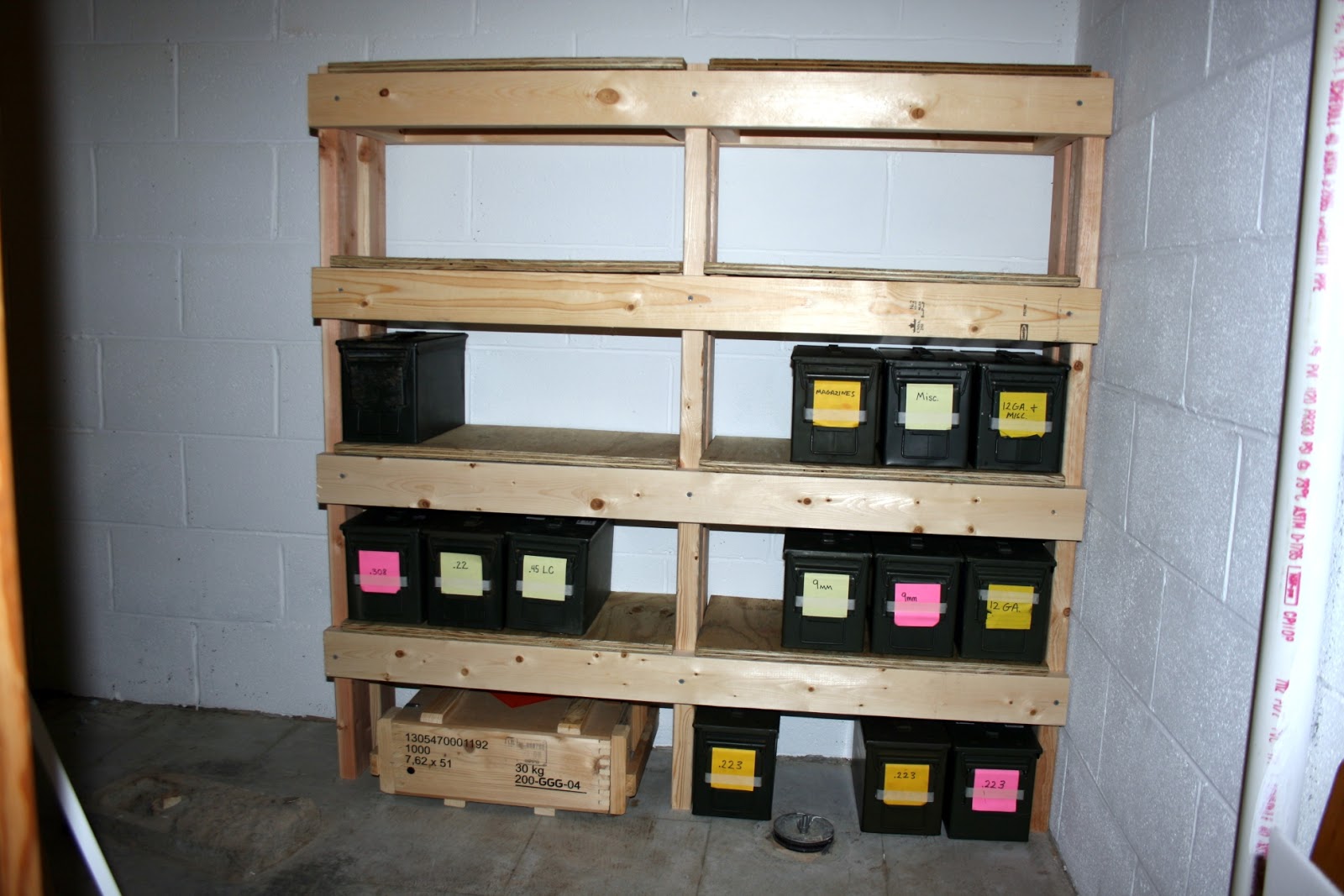
Storing bulk ammo without damage comes down to brutal consistency over clever gadgets. Massive stockpiles fail when temperature swings cause condensation, so pick a single interior room with stable, cool temps—never a garage or attic. Use sealed 50-cal cans or heavy-duty plastic ammo boxes with rubber gaskets, and throw in a few silica gel packs to kill residual moisture. Keep pallets or shelves off the concrete floor to stop wicking, and rotate your stockpile by shooting the oldest boxes first—this prevents corrosion and powder degradation over years.
Buy in bulk, .32 Win Special Ammo for Sale but store in small, sealed batches so opening one container doesn’t expose the whole stash to humidity.
Avoid stacking loose boxes directly against walls, and check every keyed container’s seal twice a year to catch failing gaskets before they ruin primers.
Controlling Humidity and Temperature for Long-Term Shelf Life
For bulk ammo, **stable temperature and humidity control** is the difference between a reliable stockpile and a corroded liability. Keep your storage space consistently below 70°F (21°C) and between 30–50% relative humidity—never allow rapid swings, as condensation inside sealed ammo cans is the primary enemy. Use a digital hygrometer to monitor, and add desiccant packs (silica gel) inside containers, refreshing them quarterly. In humid climates, a dehumidifier or a simple bucket of calcium chloride works wonders. Extreme heat accelerates powder degradation, while cold alone isn’t harmful, but moisture freezing can warp primers. Always let ammo acclimatize to room temperature before opening containers, preventing moisture shock. Consistent climate control safeguards primers against corrosion and ensures decades of reliable ignition.
**Q: What’s the fastest way to ruin bulk ammo?**
A: Storing it in a garage or attic where daily temperature shifts cause condensation—even “sealed” boxes will breathe moisture in, rusting cases within months.
Best Containers and Rotation Methods for Oldest-First Usage
For bulk ammo, prioritize **airtight, impact-resistant containers** like 50-caliber metal cans or heavy-duty polymer ammo boxes with sealed gaskets, paired with desiccant packs. Avoid cardboard or loose bags, which invite moisture and crushing damage. For rotation, implement a strict FIFO (First-In, First-Out) system: label every container with the purchase date and lot number using permanent marker or adhesive tags, then store new arrivals behind existing stock on sturdy shelving. Physically pull from the front, bottom, or designated “use first” bin. A tiered shelving rack with a gravity-feed design—loading new cans at the back and retrieving from the front—ensures you never break the chain. Quarterly, inspect seals and re-stack, moving older containers to the top or easiest access point.
Best practice: airtight cans plus a labeled, gravity-fed or front-pull FIFO system, checked every 90 days, guarantees oldest rounds are used before degradation becomes a factor.
Practical Ways to Break Down a Bulk Order for Daily Use
Breaking down a bulk ammo order starts with dividing your rounds into clearly labeled containers by caliber and purpose—range plinking, defensive loads, or hunting. Keep one “daily use” box (say, 50–100 rounds) accessible for range trips, while the rest stays sealed in ammo cans with desiccant packs. Rotate your stock by using the oldest rounds first, placing newly opened boxes at the back of your shelf. For handguns, split a 1,000-round case into four 250-round batches, and *always count out your session’s budget before heading out, so you’re not dipping into your reserve stash mid-week*. Use a small scale or reloading tray to quickly portion loose rounds, and store each daily portion in retractable magazines or speedloaders to save time at the range.
Dividing Cases into Range Bags and Load-Out Boxes
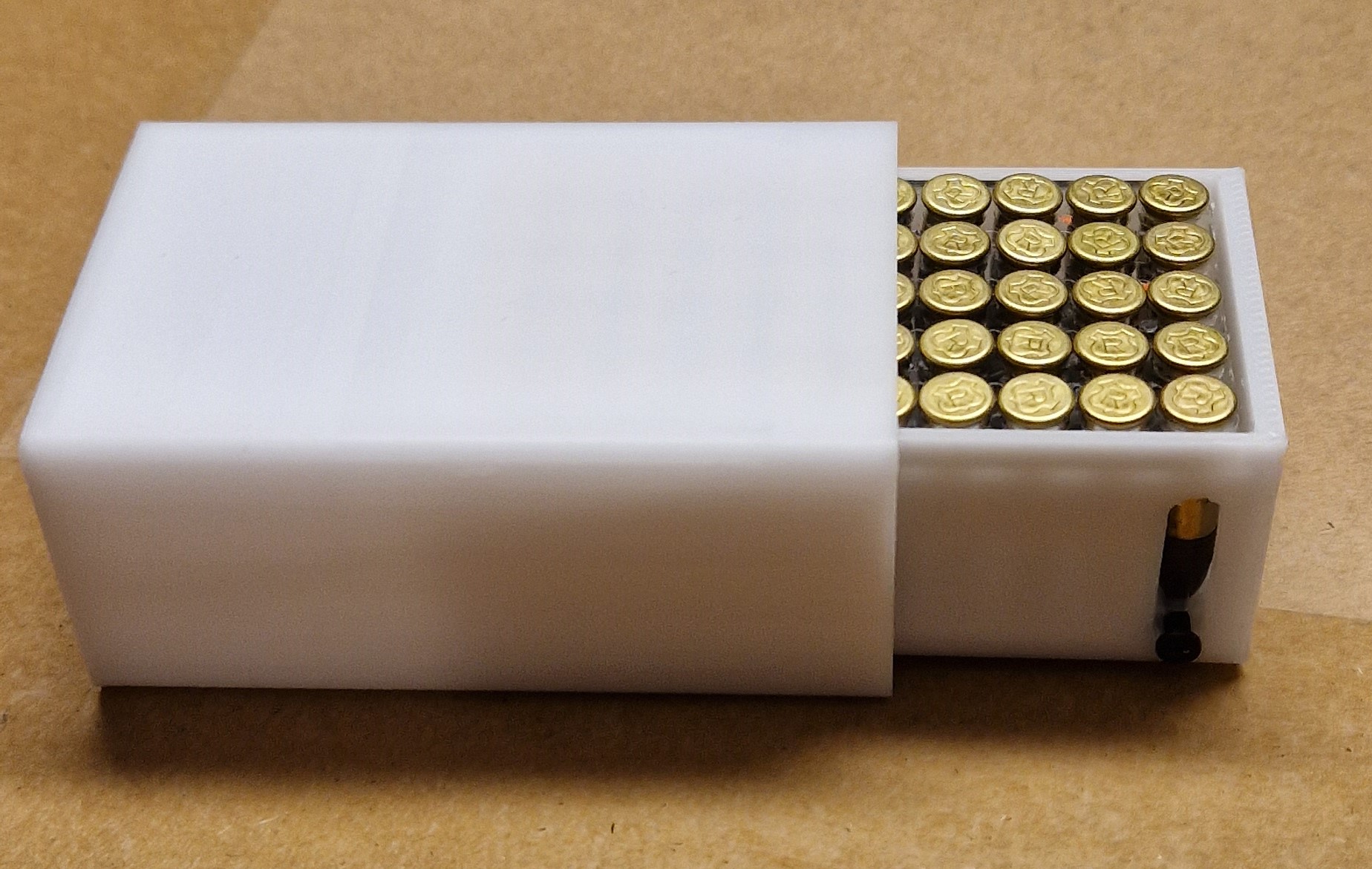
Dividing bulk ammo into range bags and load-out boxes requires a logical hierarchy based on caliber, purpose, and frequency of use. Start by separating defensive rounds from practice rounds—each gets its own rigid load-out box, ideally with foam inserts to prevent rattling and primer deformation. For range bags, use soft, segmented 6.5x57R Ammo for Sale pouches, allocating one magazine-size compartment per handgun caliber or one zippered sleeve per rifle cartridge. Reserve a dedicated load-out box for high-volume training ammo, restocking it only when the range bag’s primary supply runs dry. This prevents overloading the bag and keeps weight manageable. **Assign a color-coded label to each box** so range-day decisions become automatic, not analytical. Range bag organization hinges on keeping loaded mags separate from loose bulk ammo, as loose rounds shift and crush. Q: How many rounds fit best in a load-out box? A: Use 100-round trays for pistol calibers and 50-round trays for rifle, preserving box integrity while matching typical session volumes.
Tracking Your Ammo Inventory With a Simple Log System
When you buy in bulk, a simple log system keeps your ammo inventory honest without turning range day into a spreadsheet marathon. Grab a notebook or a notes app, and track each caliber you open, noting the date, round count, and what you shoot. Every time you grab a box, subtract it immediately—future you will appreciate the accuracy. A quick monthly tally shows your burn rate, helping you know when to reorder before you’re dry. This isn’t about micromanaging; it’s about tracking your ammo inventory with a simple log system so you always know exactly what’s on the shelf. No guesswork, no surprise empty cans—just a clear picture of your stash.
Common Mistakes Shooters Make With Large Purchases and How to Avoid Them
You finally snag a killer deal on 5,000 rounds, only to realize your safe won’t close, your ammo cans leak humidity, and that “cheap” steel-case lot hates your rifle’s tight chamber. The biggest mistake is buying purely on price per round without testing a small sample first—so you’re stuck with a case that jams every third shot. Another classic: storing loose rounds in a cardboard box in the garage, where temperature swings degrade powder and primers. Avoid this by matching bulk ammo to your gun’s proven preferences, splitting cases into sealed, labeled cans with desiccant packs, and rotating your stock—shoot the oldest first. Q: Should I buy 10,000 rounds if I’ve never fired that brand? A: No—run 100 rounds through your firearm first. That test costs little compared to a useless mountain of ammo.
Overlooking Duds and Misfires in Budget Packs
When buying bulk ammo, shooters often overlook duds and misfires hidden inside budget packs, treating the entire case as uniformly reliable. These rounds typically fail due to hard primers, inconsistent primer seating, or cracked cases that escape cheap QC. Before trusting a case for training or defense, test a sample from each box, not just the top layer. Track the failure rate; one misfire per hundred might be acceptable for plinking, but it’s dangerous for carry ammo. Additionally, inspect spent cases for split necks or blown primers, as these signal pressure spikes that can damage your firearm. Ignoring misfire patterns in budget packs turns a cost-saving purchase into a costly maintenance problem.
- Chronograph 6.5x57mm Mauser Ammo for Sale a 10-round sample from each box to verify velocity consistency and detect weak charges.
- Mark each box’s lot number; if duds cluster in one lot, avoid that batch entirely.
- Rotate bulk ammo stock so older rounds don’t degrade powder, increasing misfire odds.
Ignoring Recoil Spring Wear From High-Volume Magazine Sessions
Buying bulk ammo encourages high-volume magazine sessions, but shooters often overlook the accelerating wear this places on the recoil spring assembly. Each rapid reload and slammed slide compresses the spring beyond its normal cycling stress, and with thousands of rounds, the spring’s metal fatigues faster than standard maintenance intervals predict. A weak recoil spring not only causes slide bite and failure to lock back, but it also lets the slide batter the frame’s internal stops, leading to costly structural damage. To avoid this, log round counts per spring and replace it every 3,000–5,000 rounds when shooting bulk ammunition aggressively. Proactive .338 Lapua Ammo for Sale recoil spring replacement preserves your firearm’s timing and prevents premature wear on other critical parts.
